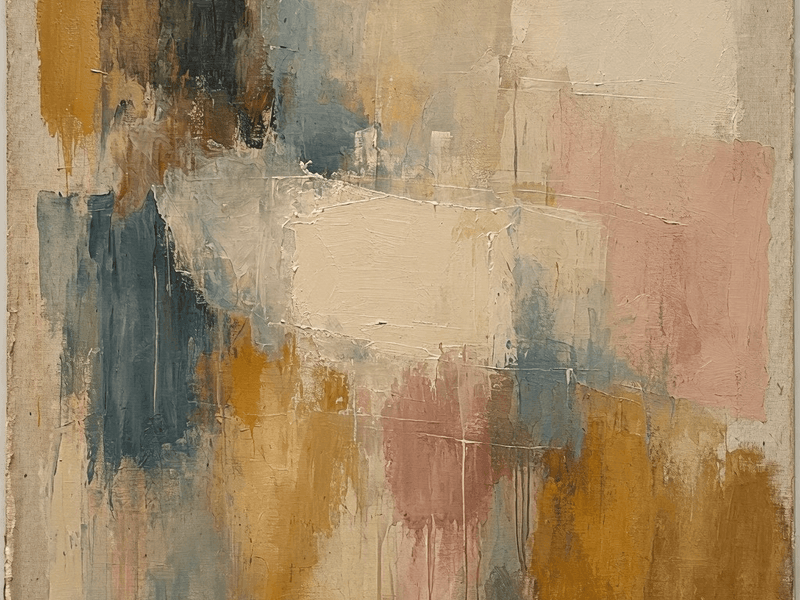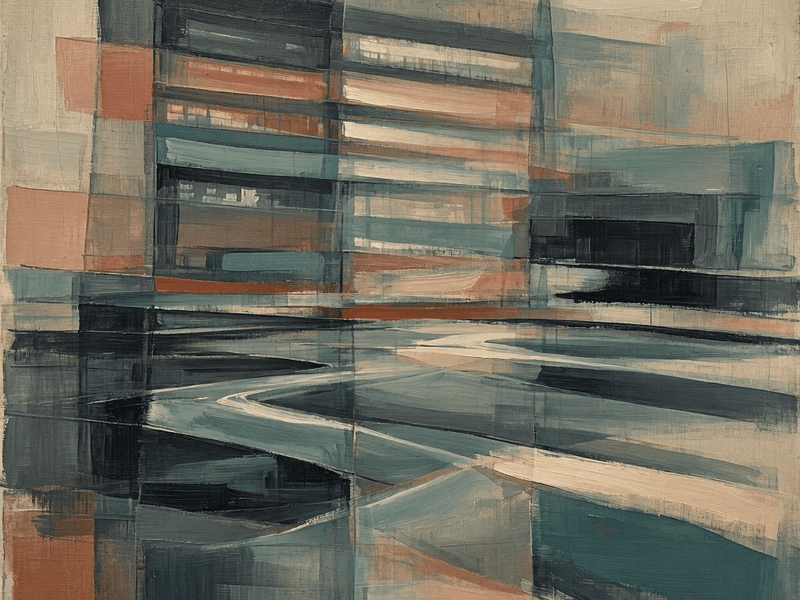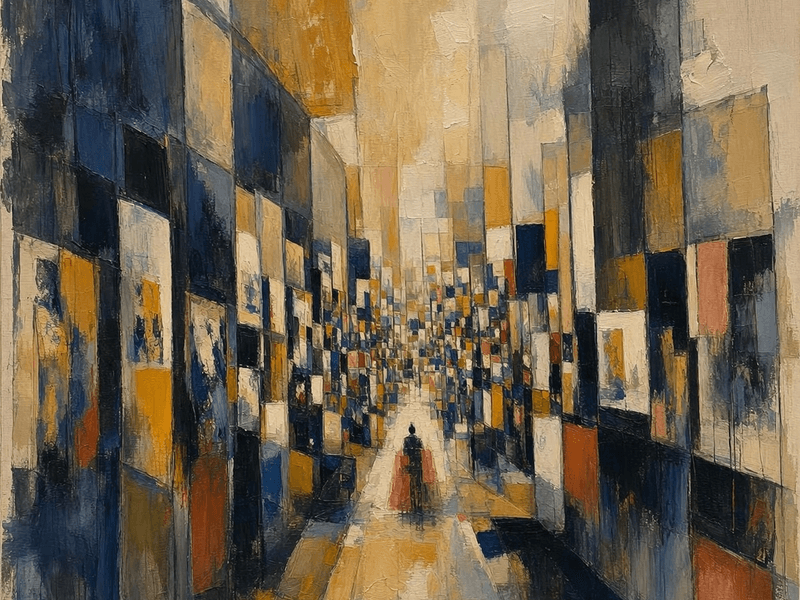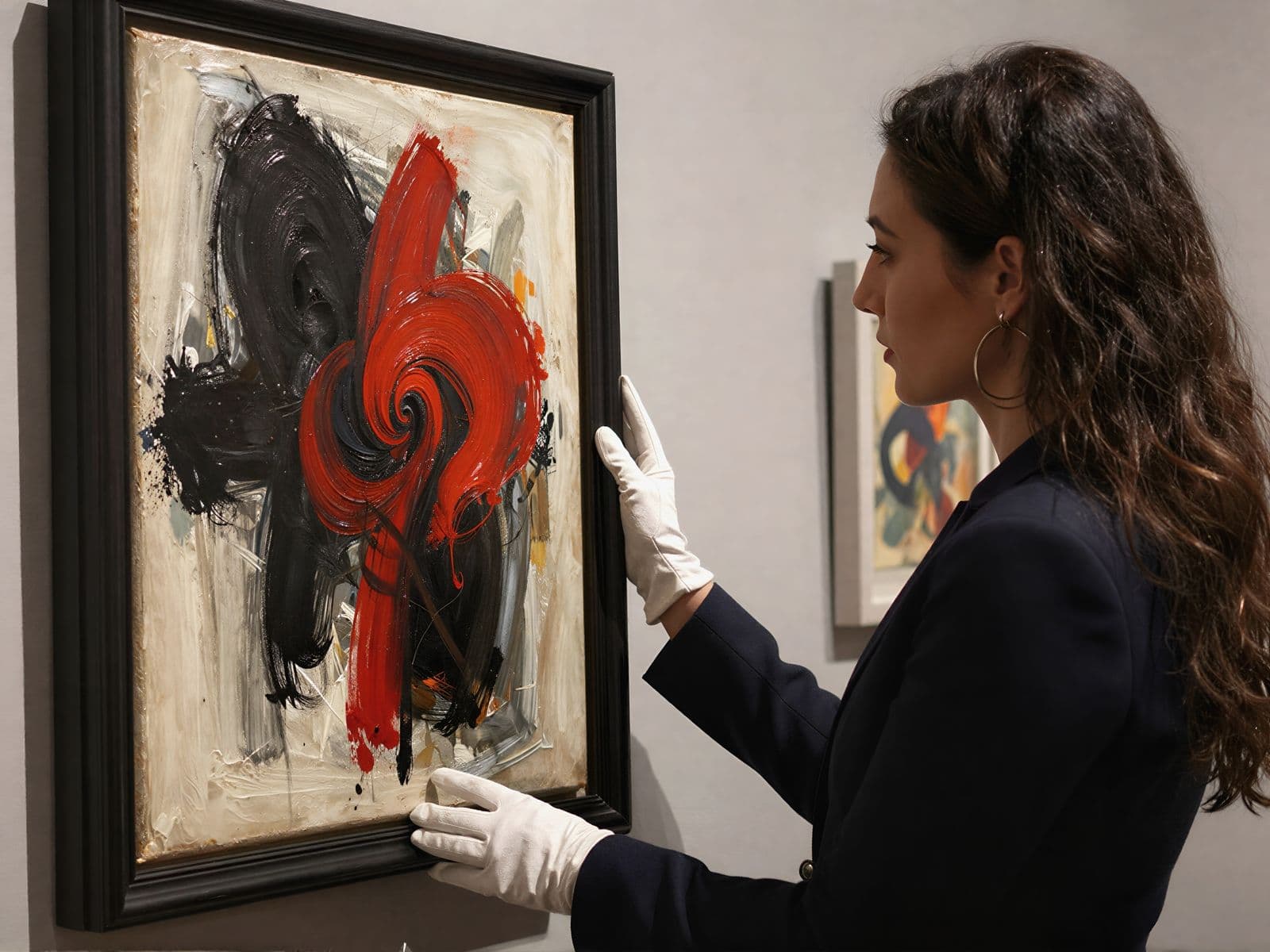
The $5,000–$100,000 price range is where most collectors begin, where many of the most interesting artists are working, and where the greatest opportunities for genuine discovery exist. It is also a market with real risks: limited liquidity, limited institutional validation, and asymmetric information. This guide explains how to navigate it.
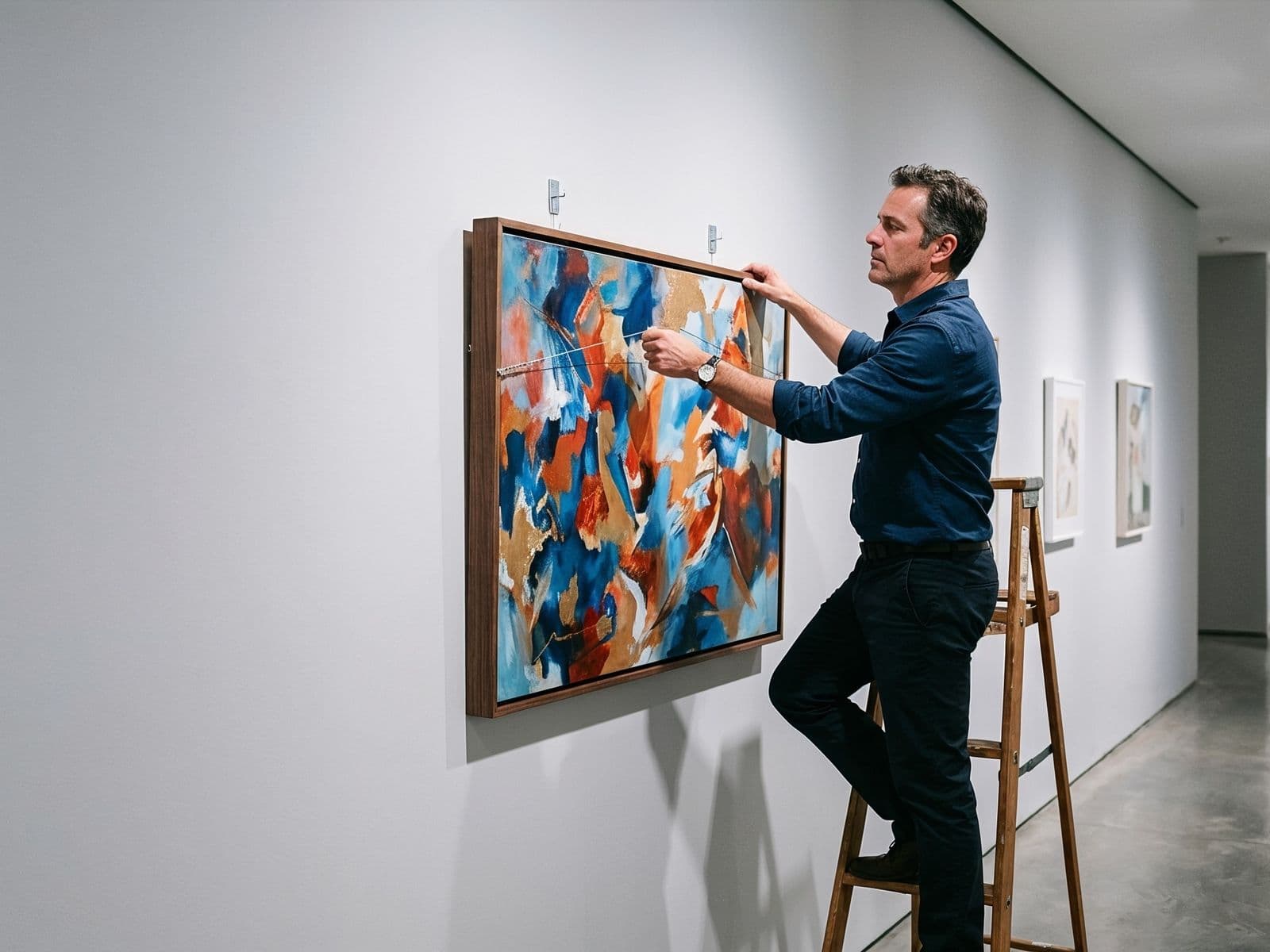
Before buying any work of art, three questions determine the quality of the decision. First: do you understand why this work exists? Not just what it looks like, but what problem or question the artist is addressing — what tradition they are working within or against, what their body of work looks like in sequence. Second: where does this work fit in the artist's practice? An early work, a mature work, a transitional work? Context within an artist's career dramatically affects both the significance and potential value of a work. Third: what is the artist's institutional trajectory? Gallery representation, exhibition history, collection acquisitions by museums or notable collectors — these are the markers of an artist building the kind of career that sustains long-term market interest.
This bracket is primarily the market for works on paper, small-to-medium paintings, photographs (limited editions), and sculpture editions. The Art Basel and UBS report notes that works in the sub-$50,000 segment achieved an average hammer ratio of 1.57 at the November 2025 New York auctions — meaning they sold for 57% above their high estimates. Demand is real, and the best works in this bracket are actively competed for.
The primary market (buying directly from galleries or studios) is generally preferable in this bracket for several reasons: pricing is more transparent, you establish a relationship with the gallery and artist, and you avoid the buyer's premium that auction houses charge (typically 20-26%). The secondary market (auctions, resale platforms) makes more sense when you are buying a specific work that is no longer available through primary channels.
At this level, works start to cross into the established and mid-career market. Artists with institutional exhibition histories, multiple solo gallery shows, and museum acquisitions in their backgrounds trade consistently in this range. The risks are lower than at emerging levels because there is more price data available, more comparable sales to reference, and typically a longer track record.
The key risk at this level is overpaying relative to comparable sales. Before any purchase in this range, it is worth spending time with a price database (Artnet, Artprice) to understand what comparable works by the same artist have achieved at auction over the past 5–10 years. Consistent appreciation is a better indicator than a single high record.

For any purchase above $5,000, four things are non-negotiable. Provenance: a clear ownership history with no gaps. Condition report: a written assessment of the work's physical state from a conservator or gallery specialist. Certificate of authenticity: from the artist, estate, or catalogue raisonné committee. And invoice: a formal transaction record specifying the work, artist, dimensions, date, medium, and price. These documents are what make a work sellable in the future. Without them, even a genuine work can lose significant value.
The difference between buying individual works you like and building a collection is the presence of a thesis. A thesis can be: works by artists from a specific geography, works in a specific medium, works addressing a specific subject, works by artists in a specific career stage. A collection with a thesis is more interesting to institutions, more coherent as a body, and ultimately more likely to generate significant acquisition interest than a randomly assembled group of works.
Most serious collectors develop their thesis through the first three to five purchases — testing what genuinely excites them versus what they thought would excite them. The thesis often becomes clear only in retrospect. The important thing is to remain open to its emergence rather than forcing a predetermined framework.
Athenoir's intelligence database tracks 7740 artists in the emerging and ultra-emerging segments — a searchable universe of artists working at accessible price points across 40+ countries and 15+ cultural movements.