Tokyo is one of the world's most sophisticated art markets — and one of its most distinctive. The city's 105 active contemporary artists tracked in Athenoir's intelligence database span every segment from ultra-blue-chip to ultra-emerging, and operate within a gallery system that functions by different rules than New York or London.
Yayoi Kusama remains the most internationally recognised Japanese artist alive, her Infinity Mirror Rooms generating queues around the block at venues from the Tate Modern to the Smithsonian. The 95-year-old continues to produce from her studio in Tokyo. Her auction record stands at $9.6 million (Christie's, 2023), though her institutional footprint — including the dedicated Yayoi Kusama Museum in Shinjuku (opened 2017) — may be her most enduring contribution to the city's cultural identity.
Takashi Murakami represents the intersection of Japan's otaku subculture, Buddhist iconography, and American pop art that defined the "Superflat" movement. Murakami operates through his company Kaikai Kiki Co., producing editions, animations, luxury collaborations, and gallery-scale paintings simultaneously. His auction record exceeds $15 million (Christie's, 2008). In 2024, he continued his series of large-scale NFT and physical hybrid works, marking him as a rare artist equally established in both traditional and digital markets.
Yoshitomo Nara's deceptively simple paintings and drawings of children with oversized eyes have achieved cult status globally. His auction record set at Christie's reached $24.9 million in 2019. Nara's work resonates deeply in Asia's collector base — he has been a consistent presence at Art Basel Hong Kong since the fair's founding.
Hiroshi Sugimoto occupies a different register: the conceptual photographer whose decades-long projects — "Theaters," "Seascapes," "Portraits" — have placed him firmly in the established art-historical canon. His work is held by MoMA, the Guggenheim, and the Centre Pompidou.
Ayako Rokkaku represents the new generation of Japanese artists breaking through internationally. Working in acrylics applied by hand (without brushes), her vibrant large-scale paintings have achieved auction records above $3 million and sell consistently at Art Basel.
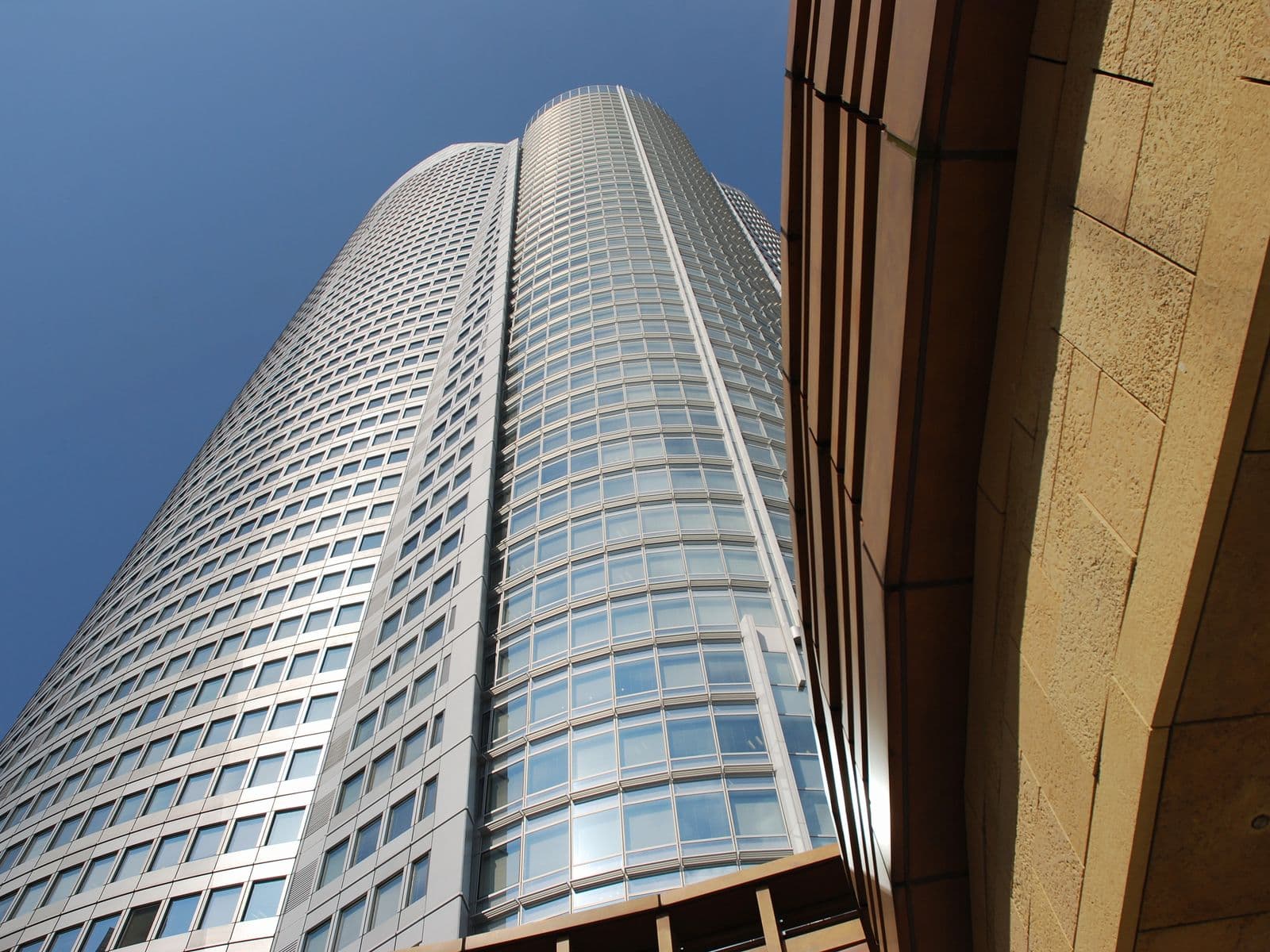
Tokyo's gallery district clusters around three main zones. Roppongi — anchored by the Mori Art Museum, the National Art Center, and the Suntory Museum of Art — forms the institutional spine. The Mori Art Museum, on the 52nd and 53rd floors of Mori Tower, combines serious critical programming with access to one of the world's most visited contemporary art venues (over 1 million visitors annually).
Ginza has historically been the commercial gallery district, home to longstanding spaces like Shiseido Gallery and Tokyo Gallery + BTAP. It retains its role as a market for established Japanese post-war artists. The younger gallery scene has migrated to Koenji, Shimokitazawa, and the newer creative districts around Harajuku.
SCAI The Bathhouse (Yanaka), Tomio Koyama Gallery (Kiyosumi-Shirakawa), and Taka Ishii Gallery operate as the primary commercial bridges between Tokyo's serious contemporary scene and international collectors. All three show internationally and participate in Art Basel.
Japan's domestic art market represents approximately $1.4 billion annually, according to the Art Basel and UBS Global Art Market Report 2026 — roughly 2.4% of global market share. While this places Japan outside the top-tier markets by value, the country's collector base is deep, sophisticated, and increasingly connected to the global auction circuit. The introduction of Art Basel Cities in Tokyo in 2024 signals the fair's recognition of the city's strategic importance.
Source: Athenoir Art Market Intelligence Database (105 Tokyo-based artists tracked); Art Basel and UBS Global Art Market Report 2026; publicly reported auction records.