Athenoir's Art Market Intelligence database tracks 490 artists based in the Gulf cities of Dubai, Abu Dhabi, Riyadh, Jeddah, and Manama. That number alone signals the scale of what is happening in the region — but the more significant story is the institutional infrastructure being built to support them.
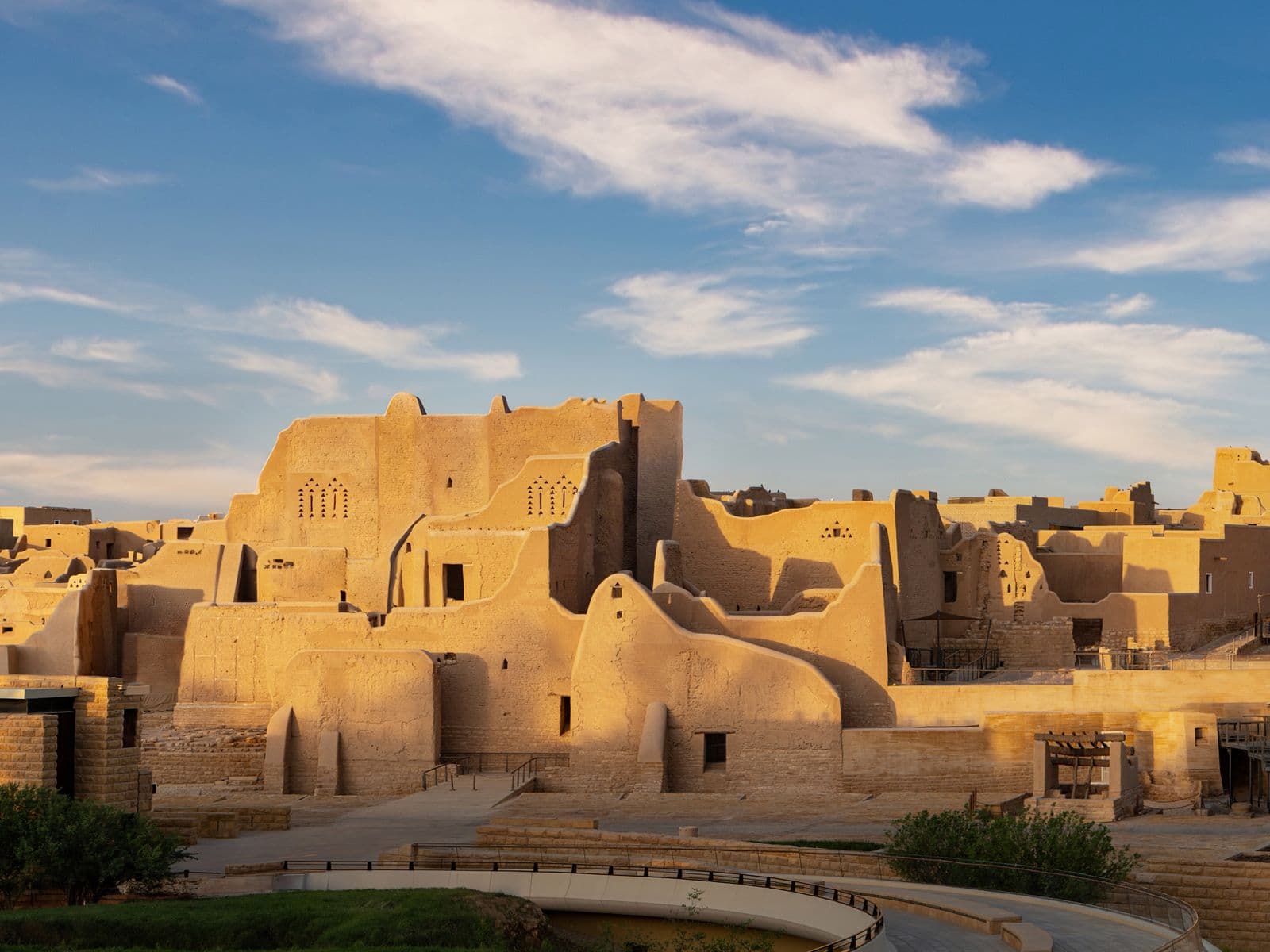
In 2024, Abu Dhabi's sovereign investment fund ADQ acquired a $1 billion stake in Sotheby's. This is not a collector buying art — it is a government buying a market infrastructure company. The investment gives Abu Dhabi a direct stake in the global art market's pricing and distribution mechanisms, and signals a long-term commitment to making the emirate a primary art market hub.
The Louvre Abu Dhabi, which opened in 2017 on Saadiyat Island (Saadiyat Cultural District), has now been joined by the Zayed National Museum (under development) and the Guggenheim Abu Dhabi (long-awaited, under construction). When complete, Saadiyat Island will be home to a concentration of major cultural institutions unprecedented outside the traditional Western art capitals.
Art Dubai enters its 20th edition in 2026, having expanded from a regional fair to one with genuine global significance. The fair's 2025 edition hosted 130 galleries from over 40 countries and generated approximately $65 million in sales. Its "Modern" section — dedicated to modern art from across Asia, Africa, and the Middle East — has become its most distinctive offering, recovering artists and movements overlooked by the Western art historical canon.
Wael Shawky (Egypt/UAE), one of the region's most internationally recognised artists, makes video art and performance works that rewrite historical narratives from the perspective of the colonised. His "Cabaret Crusades" trilogy — which recounts the Crusades through the voices of Arab chroniclers — is held by MoMA and the Centre Pompidou. He represented Egypt at the Venice Biennale 2022.
Farah Al Qasimi (UAE/New York) photographs consumer culture, domestic interiors, and social rituals in the Gulf with a depth charge of humour and precision. Her work is collected by the Metropolitan Museum and the Guggenheim.
Shaikha Al Mazrou (UAE) creates sculptural and installation works exploring Islamic geometric pattern, material transformation, and the relationship between craft and contemporary art. She has shown at Art Basel, NADA, and internationally.
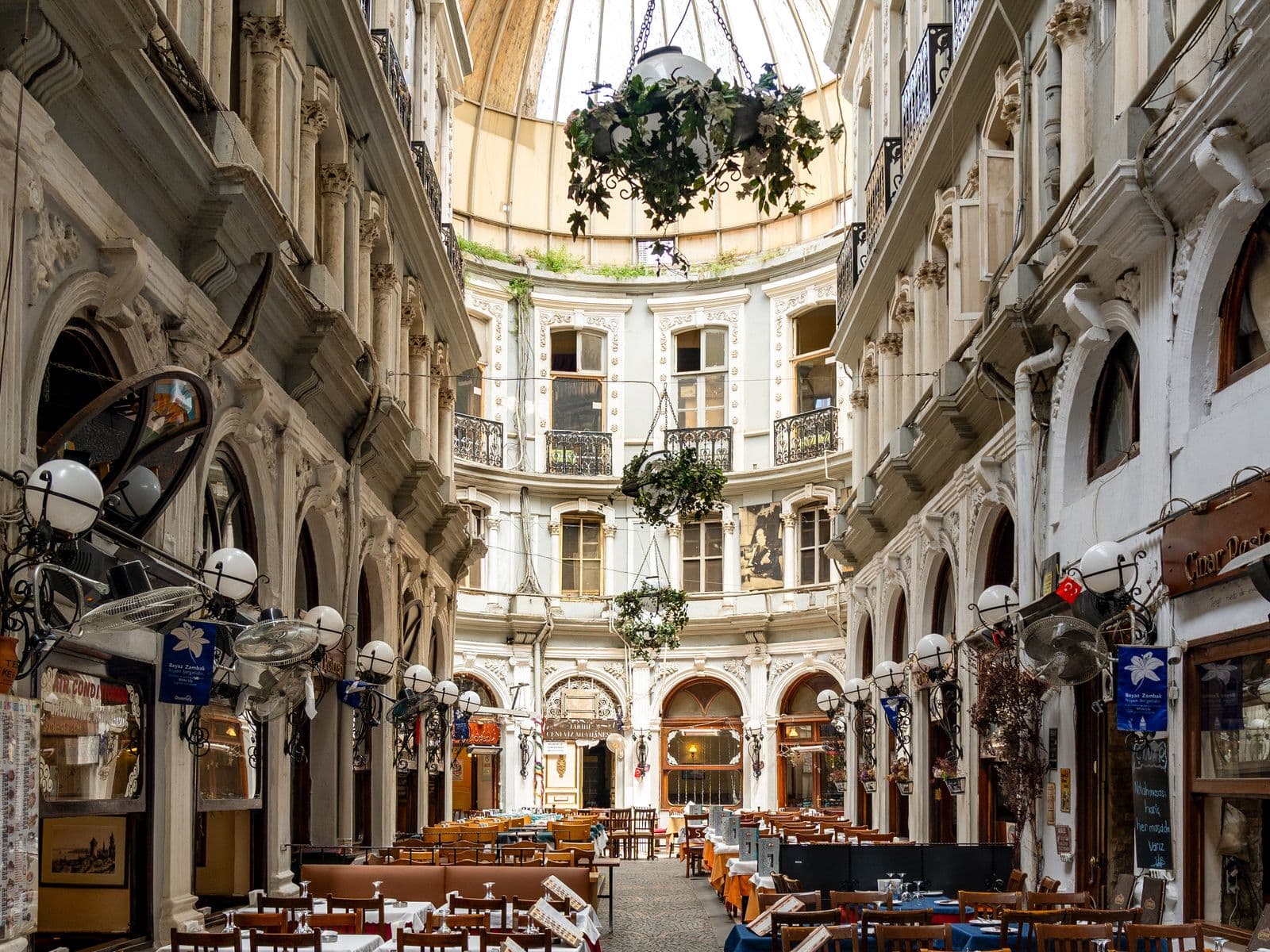
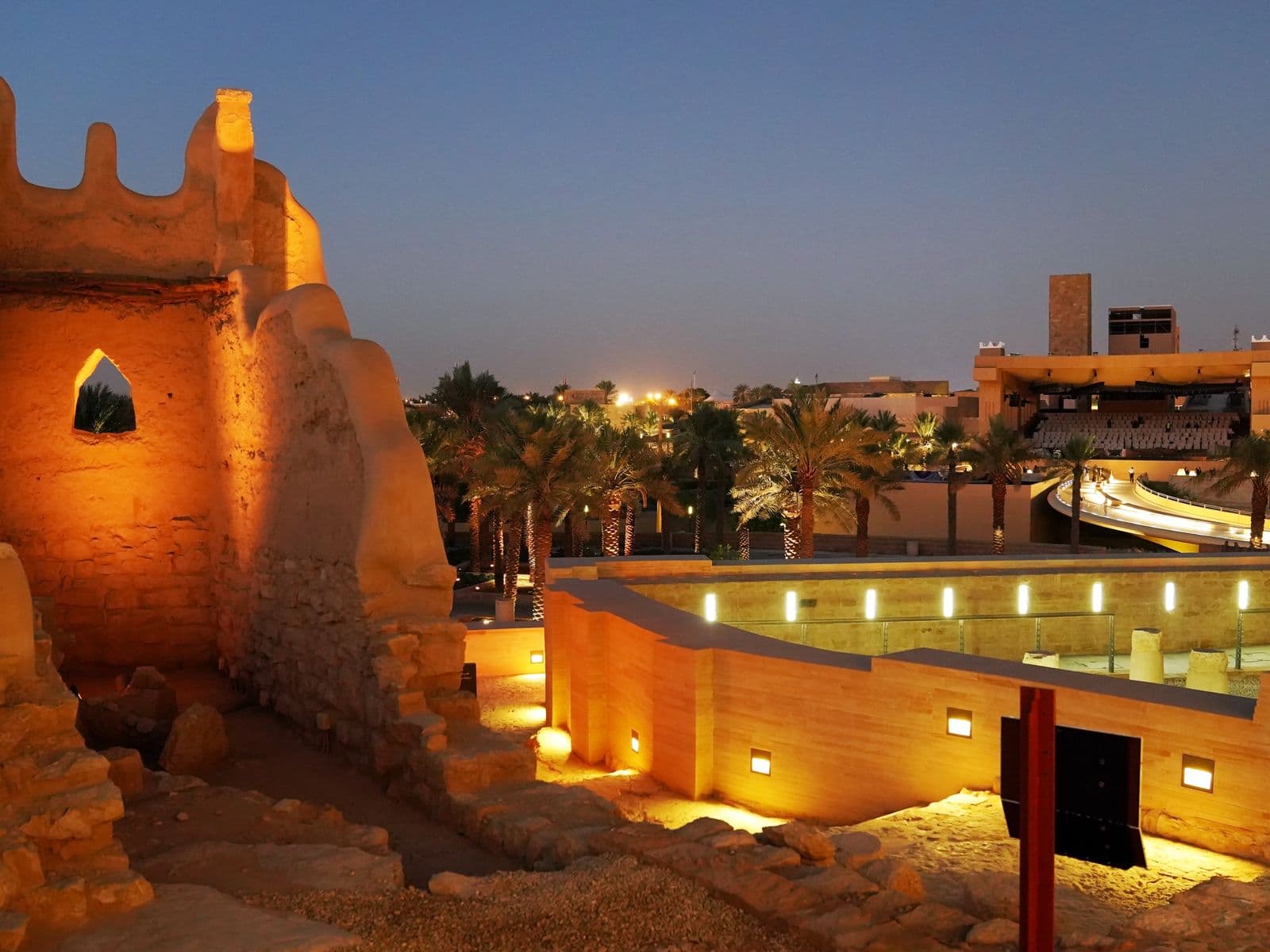
The Saudi cultural transformation underway through Vision 2030 has direct art market implications. The Diriyah Biennale (Riyadh) launched its second edition in 2024. The Entertainment Investment Fund, which includes cultural projects, is one of the largest such funds globally. Athenoir's database tracks over 200 artists based in Riyadh and Jeddah — a figure that would have been negligible five years ago.
Qatar is launching a new art quadrennial in November 2026, following the creative infrastructure built around Mathaf: Arab Museum of Modern Art, the National Museum of Qatar (Jean Nouvel, 2019), and the Qatar Museums network. The quadrennial — whose format has not yet been publicly specified — is expected to position Doha as a biennial-hosting city alongside Venice, São Paulo, and Istanbul.
The Middle East is generating demand for contemporary art from three distinct sources: institutional acquisitions for major museums, ultra-high-net-worth private collectors (many from the ruling and business families), and a growing middle class of collectors purchasing emerging work at Art Dubai and regional galleries. For artists seeking new markets, the Gulf represents one of the few regions where collector infrastructure is expanding faster than artist supply.
Sources: Art Basel and UBS Global Art Market Report 2026; publicly reported ADQ-Sotheby's deal (2024); Art Dubai official fair reports; Athenoir Art Market Intelligence Database (490 Gulf-based artists tracked).